After the Sephora "Yes"
4 minute read
Educational

By
Jenna Dover
Founder, JDJ Studio
Share
Sephora Will Say Yes. Then what?
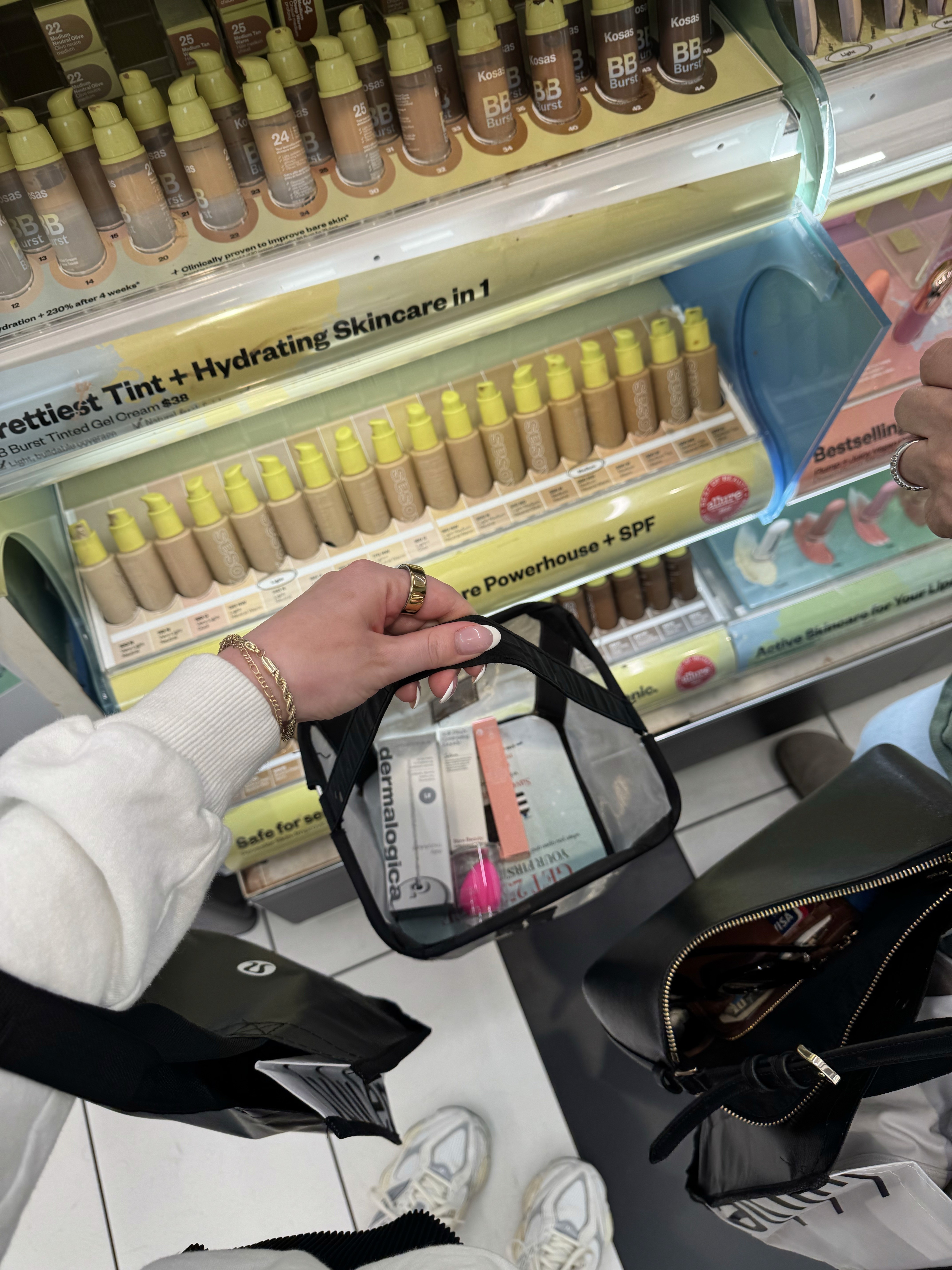
Every beauty founder I've ever met has a Sephora moment. Somewhere between the first sample and the first decent DTC month, you're standing in the aisle, rearranging their shelves in your head, thinking: we belong here.
Maybe you do. Probably not yet.
Nobody tells you this part: getting in is not the hard part. Staying in is.
Brands obsess over the pitch. The deck. The samples. The follower counts. They walk into that merchant meeting thinking the goal is a yes. I took a brand from concept to those shelves in 36 months, and I can tell you the yes was the easiest thing that happened.
First, the obvious stuff
Your product has to be exceptional. Your margins have to work. Your packaging has to survive a thousand swatching fingers. This post isn't about any of that. There are smarter people than me on formulation and supply chain. What I care about is everything else: the brand decisions that determine whether Sephora is the beginning of your brand or the beginning of the end of it.
Sephora is the big leagues of beauty retail for a reason.
They have vision. For how a brand should look, speak, merchandise, and educate on shelf. Their standards are high because their customer expects the best, and their input arrives fast and confident.
So what does a founder who isn't anchored to their brand do? They say yes to all of it. The packaging gets tweaked. The messaging gets softened. The education gets templated. Six months in, you're a paint-by-numbers version of yourself.
Beautifully executed. Technically correct. But not memorable. And memorable is the entire game on a wall of three hundred brands.
The brands that win walk in with a point of view they would defend under pressure. They take Sephora's input seriously, because it's usually right. Then, they make judgment calls. You can adjust the packaging. You cannot adjust the personality.
How Sephora keeps score
One word: productivity. Traffic and conversion on Sephora.com. Sales per door in store. Every inch of real estate you occupy has to justify itself, week after week. Your shelf isn't a trophy. It's a lease.
Products that sit get cut. And the reverse is the dream you should be chasing: one shelf to one end cap to one gondola (the freestanding aisle unit every brand dreams of). Nobody moves up that ladder on charm. You move up because your numbers made the next fixture an easy call.
To make the numbers, do two things at once:
Cover your doors. Train every associate to tell your story like they invented it. When you're not in the room, and you're never in the room, they're your voice.
Build online pull. The brands that stay get walked in for. Customers arrive already sold, ask by name, and drag sales per door up with them.
And the free scouting report almost nobody uses: read the customer questions on the Sephora PDPs in your category. That's the real tea. Shoppers telling you exactly what confuses them, in public, sorted by product. Your merchant has already read it. Walk in knowing it too and you're speaking her language.
Most founders are so focused on getting in that they never plan for staying. Consider this your heads up.
So. Are you ready?
Not for the pitch. For what comes after it.
The brands that thrive at Sephora didn't sneak in and hope. They showed up knowing exactly who they were, never wavered, and made customers come looking for them. That's the standard. It starts long before your first merchant meeting.
Getting ready for retail? That's a conversation: Book a call